

It’s working. Say what you will about Iran, but the conflict they’re prosecuting, this conflict?
Yeah . . . it’s working.
Drones and ballistic missiles, relatively cheap weapons bought in enough quantity, and in sufficient quality to thoroughly disrupt and disable a global “superpower.”
We put that into quotes because the word and the powers it conveyed has always had their limits, but those limits are becoming increasingly clear when they’re helmed and wielded by a particularly flawed individual.
We’ll leave the ultimate judgment to the historians and their books, but we can pretty much guess this chapter?
Riveting.
How it ends though is becoming increasingly bleak. Drones and ballistic missile are the ultimate nuisance weapon systems. They’re sufficiently cheap and plentiful enough that they can overwhelm any defensive system, but not powerful enough to allow you to go on the offensive. Control an area and frustrate a hegemon? Absolutely. It’s like David’s slingshot, and may just work.
So what we’re left with is bluster and anger.
Publicly that is.
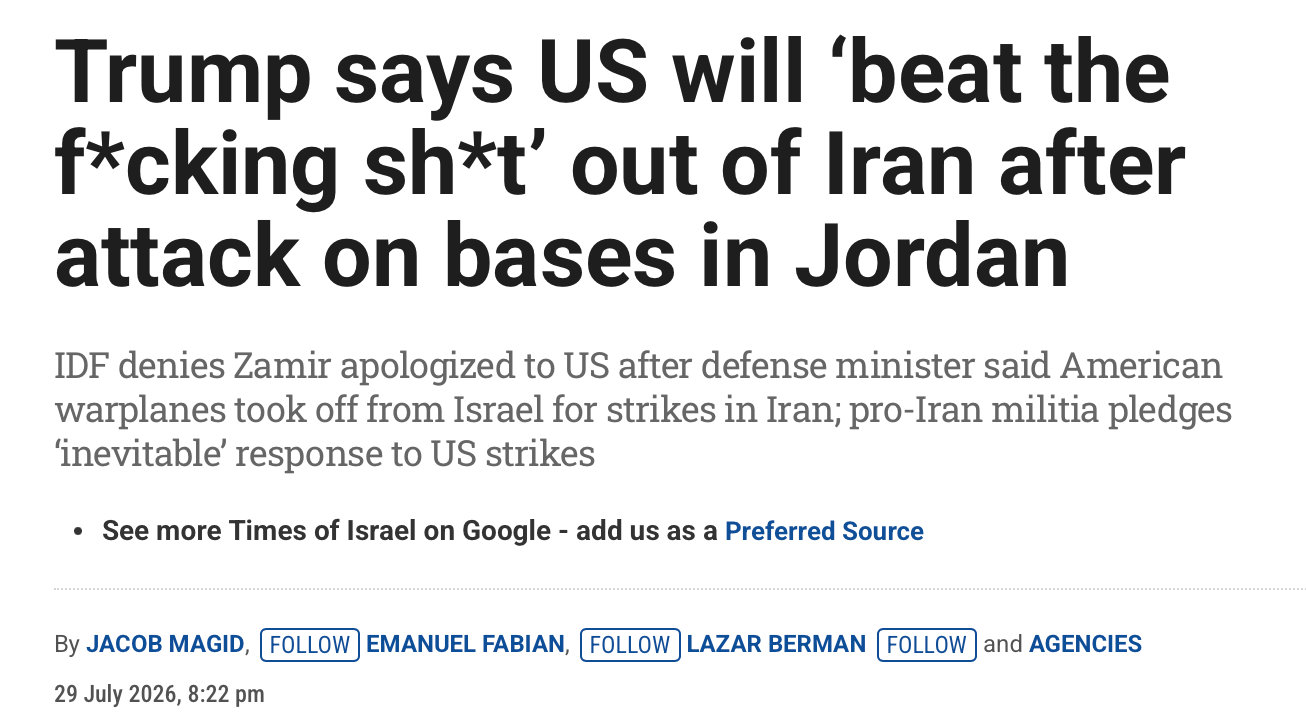
Privately though there’s consternation, and it’s quickly turning into frustration.


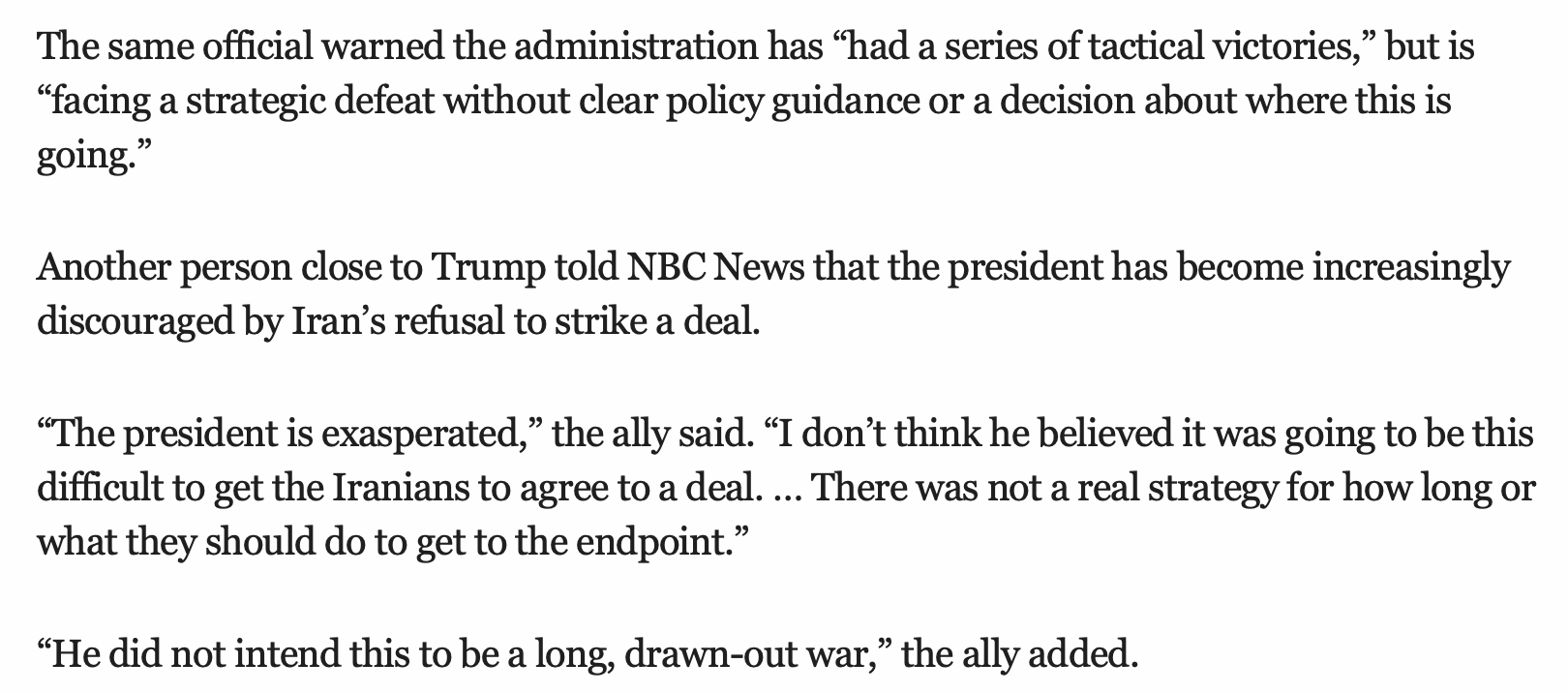
No he didn’t, yet here we are.
Iran knows it. The longer this goes on, the higher the stakes. We’re being forced to make a Sophie’s choice. Choose between a a global economic recession vs. a legacy defining, petro-dollar risking, SoH-relinquishing, Iranian-strengthening strategic victory that effectively allows Iran to obtain a pathway to nuclear weapons and permanence.
After two weeks of daily airstrikes following the collapse of what RBC cleverly termed the “Rorschach MOU,” the US stood down to allow negotiations. Iran smelling victory continued to harden around a maximalist position, seeking the withdrawal of US forces from the Middle East, lifting of the US blockade and Iranian sanctions, and ceding control of the Strait of Hormuz (“SoH”) in its entirety. Those proposals obviously floated like a lead balloon. Surprisingly though, Iran was the first to act this time, launching a surprise attack on US forces in Jordan.
In retaliation, the US began exacting its punishment, and has promised more. Since then, the SoH looks like this . . .
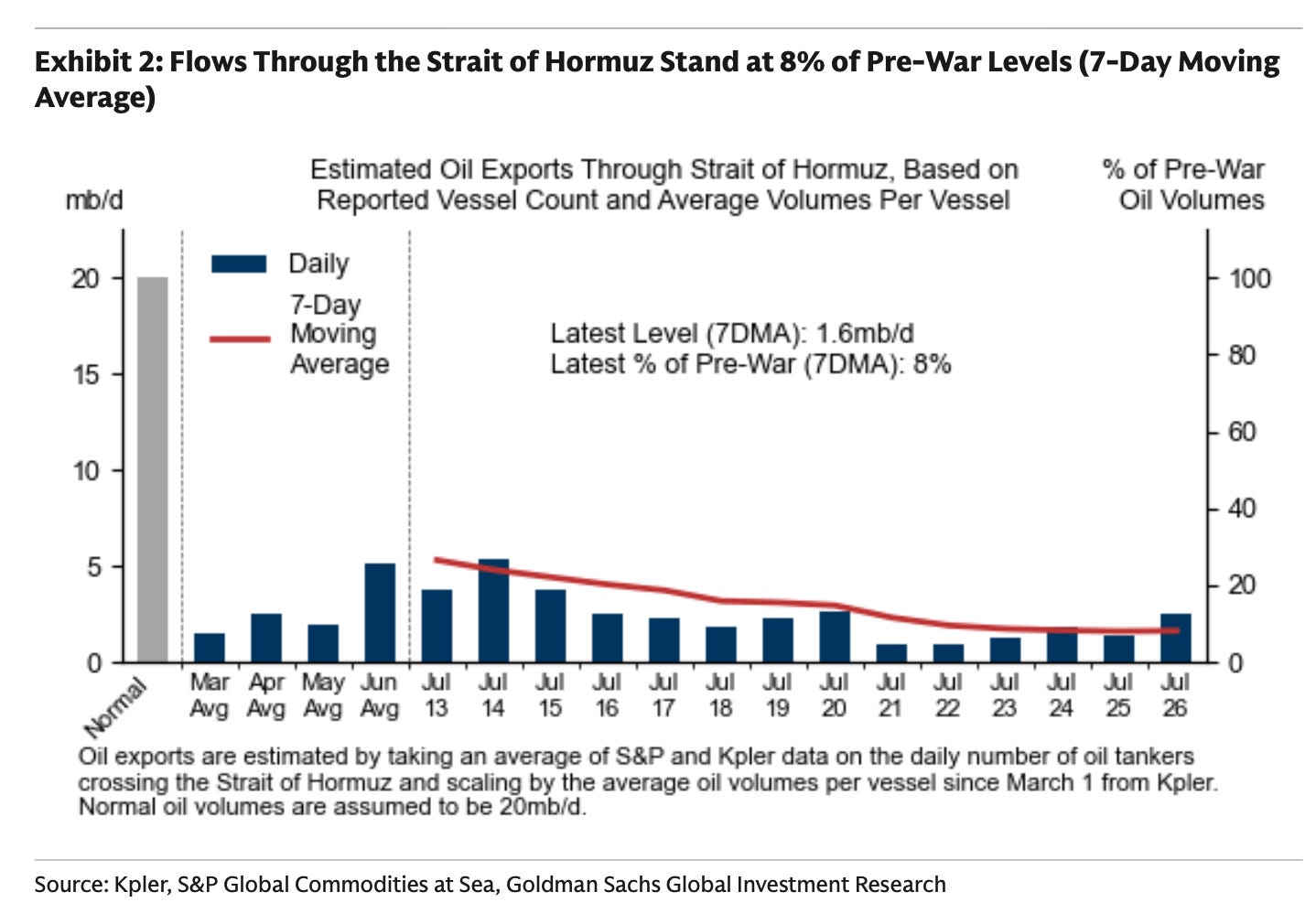
Though the MOU-ceasefire in June saw a blip-up in turns of oil flows out of the SoH, that increase proved temporary. +100M barrels of one-shot adrenaline. The sugar rush has faded, and the good “vibes” lasted for a few weeks. After which, we’re back to the lows following the recent dust-up.
In total, flows coming out of the Middle East remain near the floor.
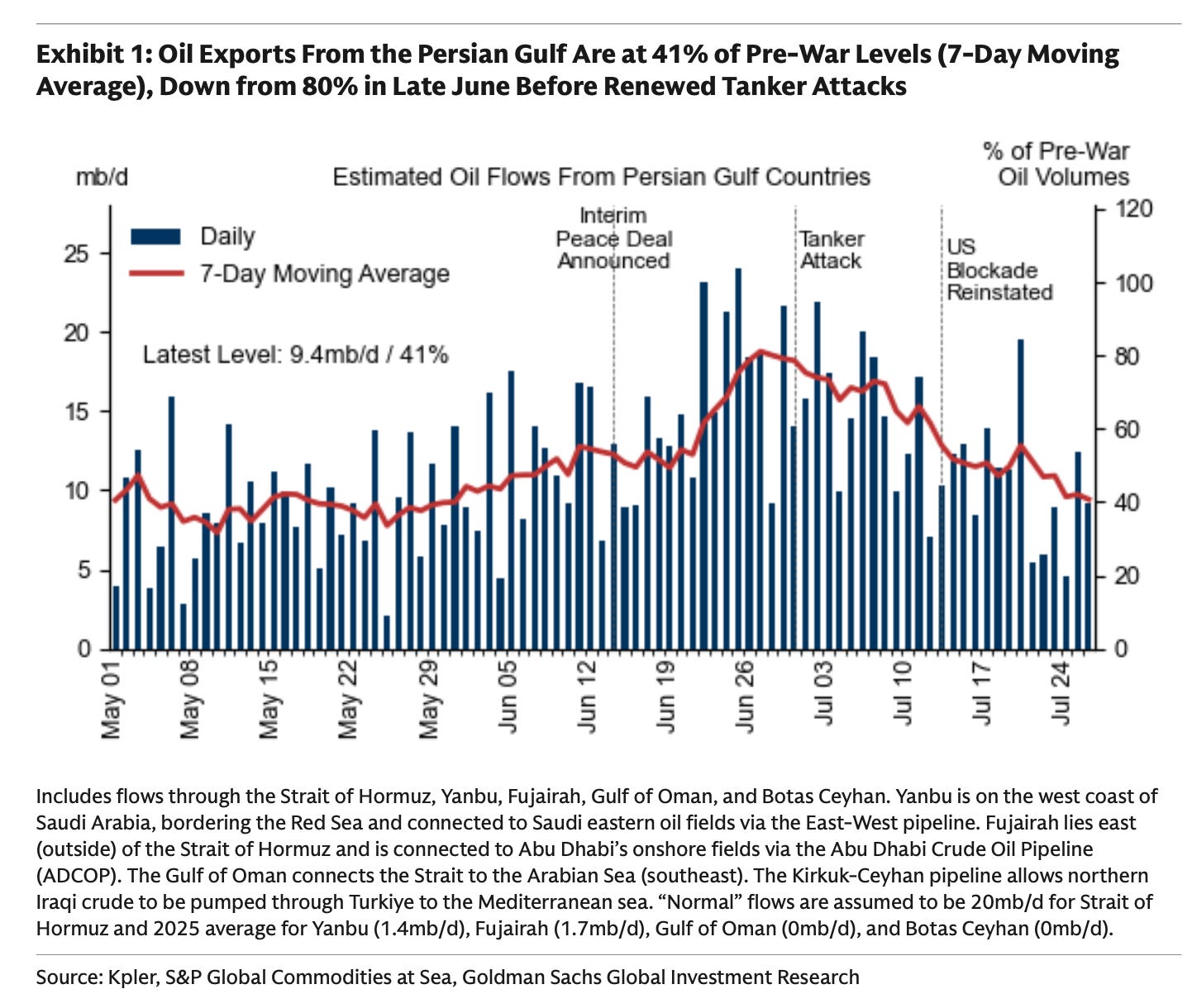
Today we’re seeing flows at ~40% of pre-war levels (i.e., ~10M bpd). So yeah, we’re missing 10-12M bpd of crude flows, with the imminent threat of further US and Iranian attacks in the coming days.
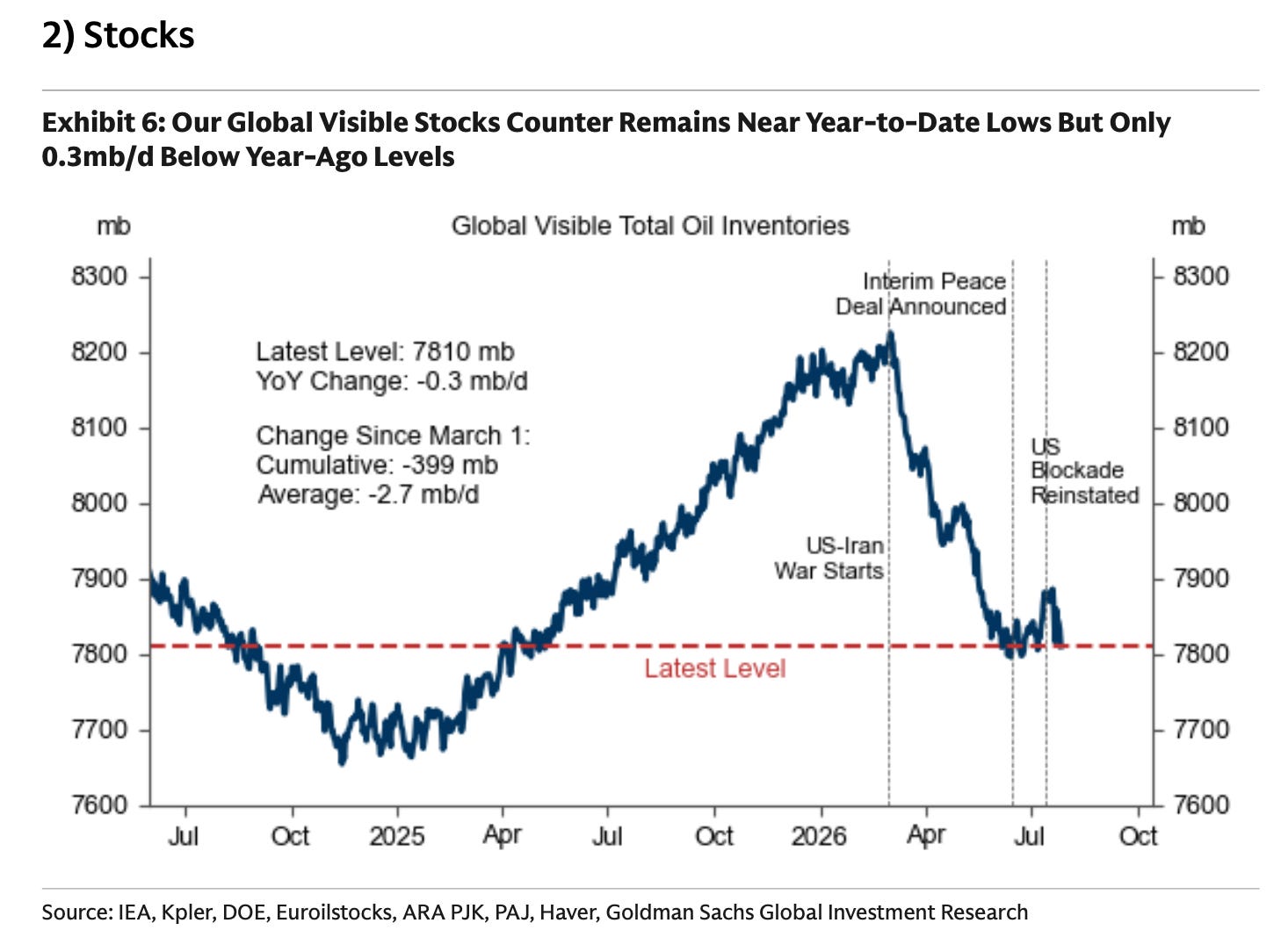
Global stocks have recently flattened out, but that’s a legacy graph given the hostilities of the last few days. It’ll start dipping back down again as the weeks pass and US barrels resume their slide.
What’s notable is China. China’s been one of the main factors as to why inventories draws have remained lower than anticipated (at least visibly). As we’ve noted in prior articles, they’ve cut the most, and that’s helped the visible inventories above stay relatively calm.
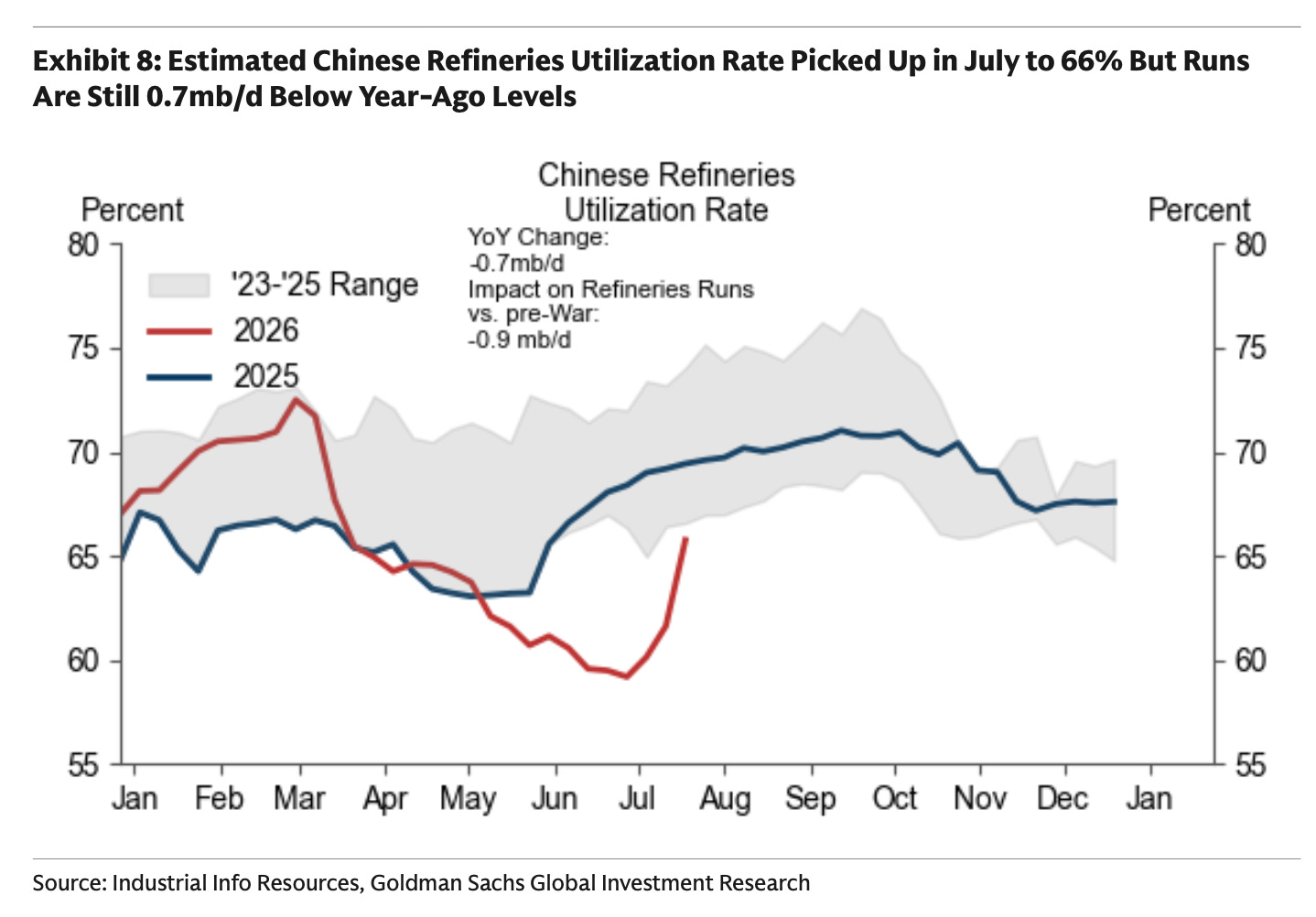
What happens though if Chinese refinery runs start creeping higher? That’ll represent increased demand and apply further pressure on visible and non-visible inventories. Some of the recent increase stems from higher imports (again the trapped barrels freed post-MOU during the temporary ceasefire). China and Asia overall gorged on those barrels and imports rose dramatically, which coincided with the refinery utilization increase.
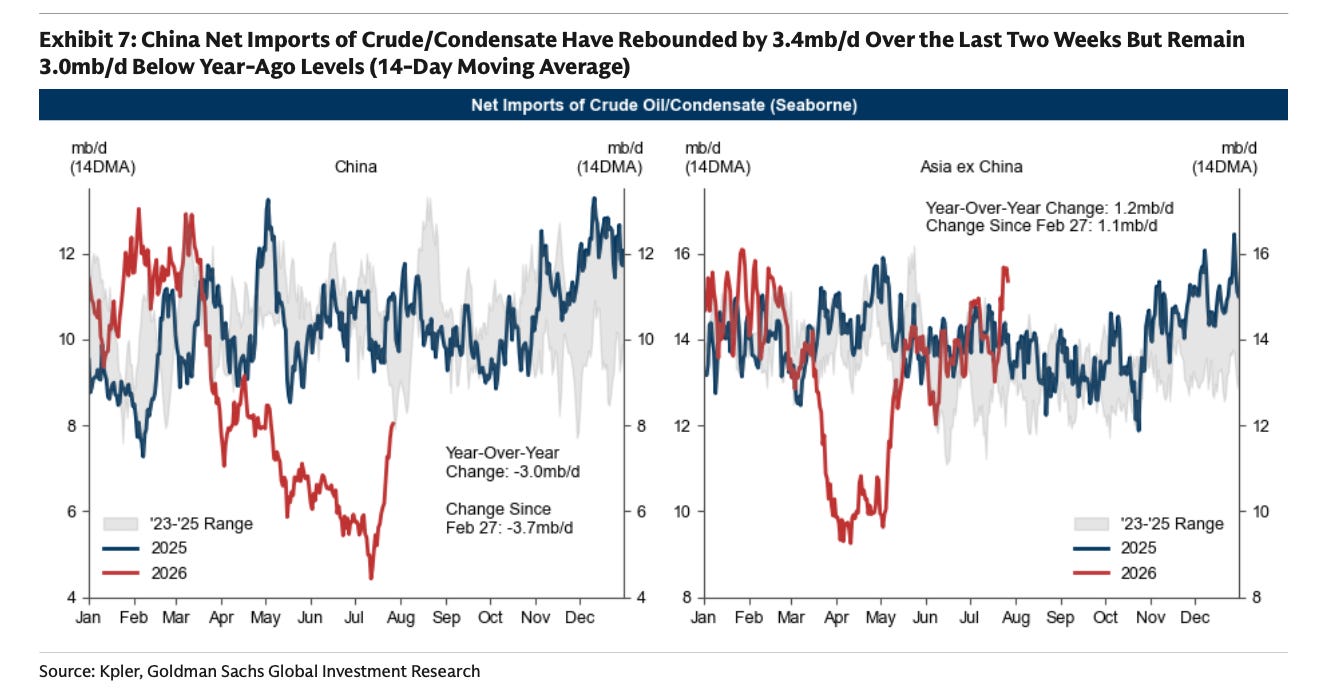
Those barrels have been consumed though, and either China’s refineries maintain their higher utilization levels, and add pressure on crude stocks, or they fall back down and drain product stocks. We’re assuming they won’t cut consumption more than they have already, so the question turns to how much are they willing to drain.
We’re in a quandary, or is it a quagmire?
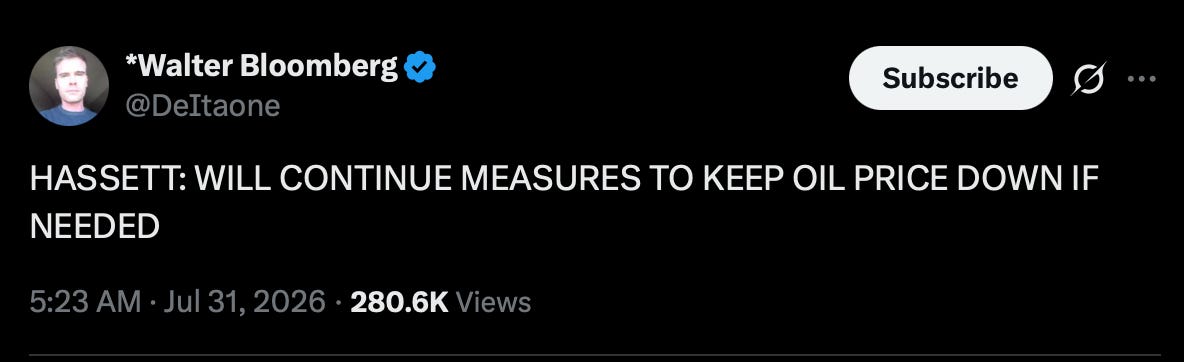
As for the US, well it’s finally starting to come clean. The US has admitted to manipulating the crude market, but we’ve suspected that for awhile.
More importantly, their intervention in the crude market doesn’t solve the product market. Refinery cracks are near all time high because the gas/diesel/jet market is much tougher to manipulate. Normally the two are somewhat linked, and they should be since consumers consume products, and refineries get paid a thin margin for turning crude into products. Yet, the dislocation remains and likely because crude prices are being suppressed. Here’s an illustration from Lukas Ekwueme:
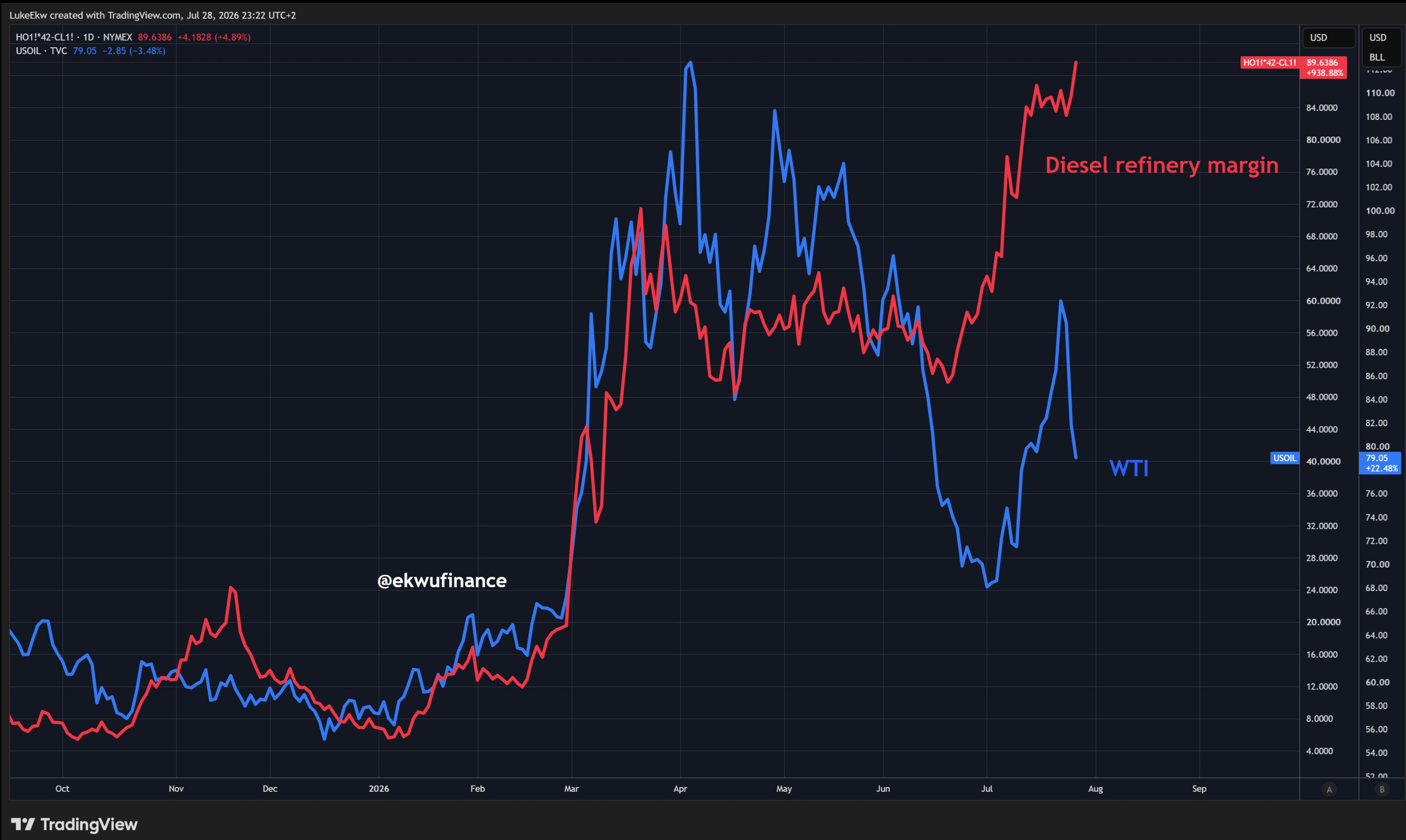
Yes, this is unnatural and there will be a reckoning. Not because we say so, but because manipulation means price discovery and the consequences of US actions are distorted. Prices should rise to incentive higher production to compensate for the outage and/or to suppress demand to reduce pressures on falling inventories. Neither one of those things is happening because of the artificial numbers appearing on the screens.
Instead, the lower prices have simultaneously emboldened and enabled the advocates of the current US strategy (if there is one). Don’t worry, oil prices are “stable” despite the instability we’ve created, so keep on going. Instead of helping, that fallacy simply feeds more rope to the forming noose.
So if surrender is not an option because it’s a legacy defining “loser” event for a leader prone to narcism, what’s left?
Escalation.
Not just any mere escalation, but violent escalation.
Because why not? Though the tactical victories haven’t yielded strategic success, you’ll surely go down swinging instead of retreating like a dog. Violent escalation because that’s the only option in this perfect toxic stew that we’ve been cooking. It’s worked thus far hasn’t it? A dash of media influence, a pinch of political will, and a heaping of market manipulation that’s tamed energy prices. Idea broth to nourish those who choose to fight. Fight soon too since the longer we wait, the more leverage the Iranians gain.
Yes it’s dicey and yes the market’s beginning to really figure it out, but it’s worked . . . so far, and it may just work one more time to coax the Iranian’s back to the negotiating table. If, and only if, this one’s the crescendo.
So we’ll choose violence, we’ll choose extreme violence, and we’ll choose it soon.
Please hit the “like” button and subscribe below if you enjoyed reading the article, thank you.
what the gop needs on all topics is an upgrade, not ever-changing implausible retrospective explanations of strategy. maybe Putin can send Trump any surviving advisors regarding Ukraine.
the investing debate is turning more towards fossil market manipulation durability, not whether MAGA has completed its 100th complete and total victory this week.
the premium of hormuz control is fading, and the debate is whether fossil mkt manipulation has already faded faster.